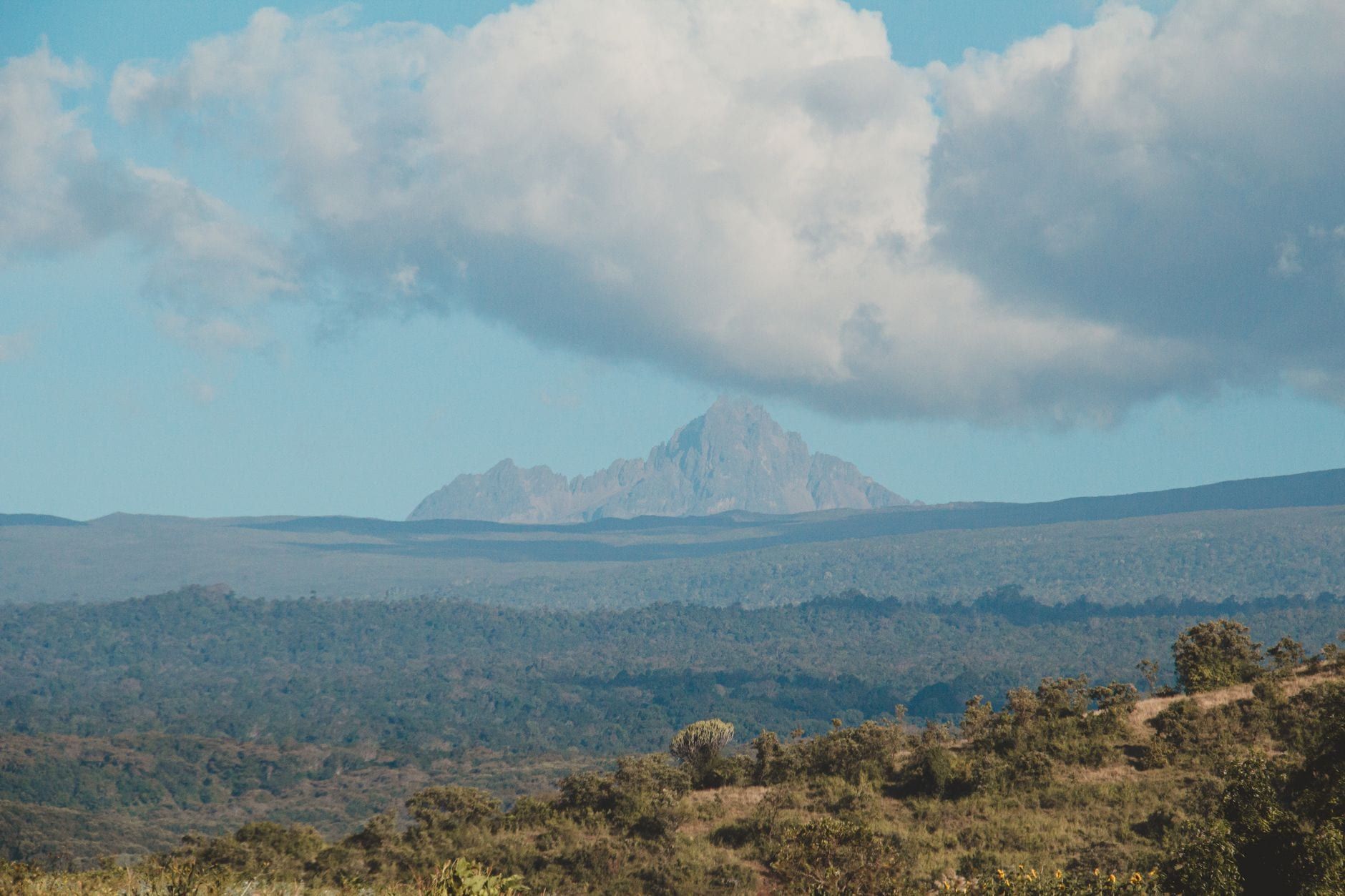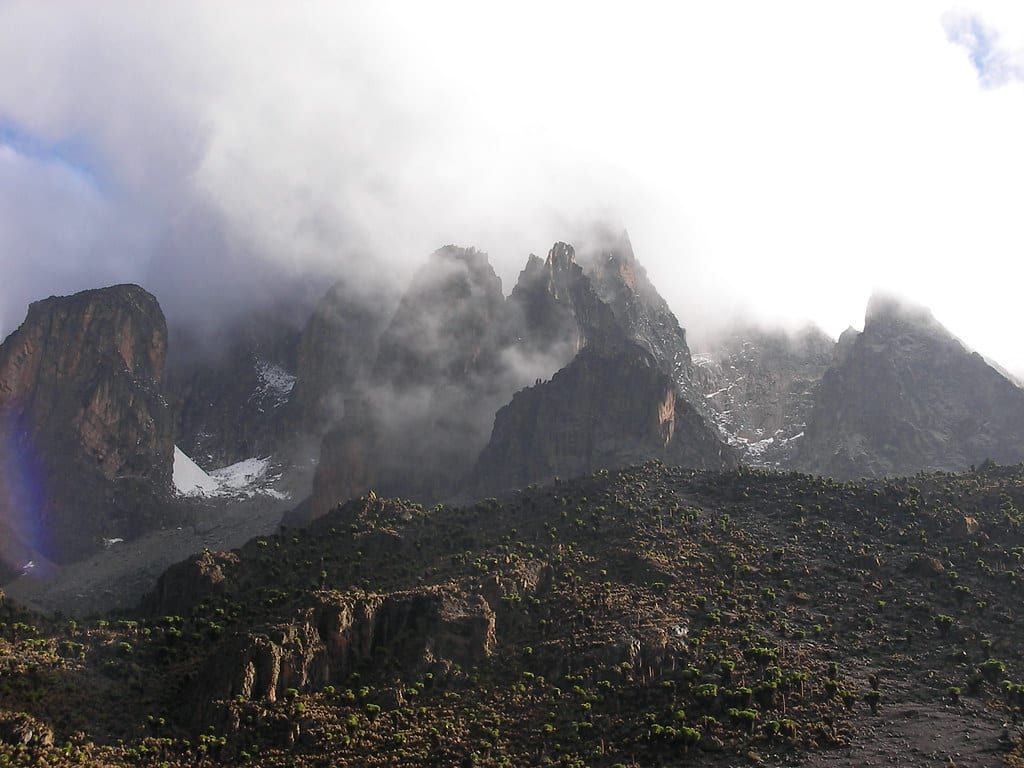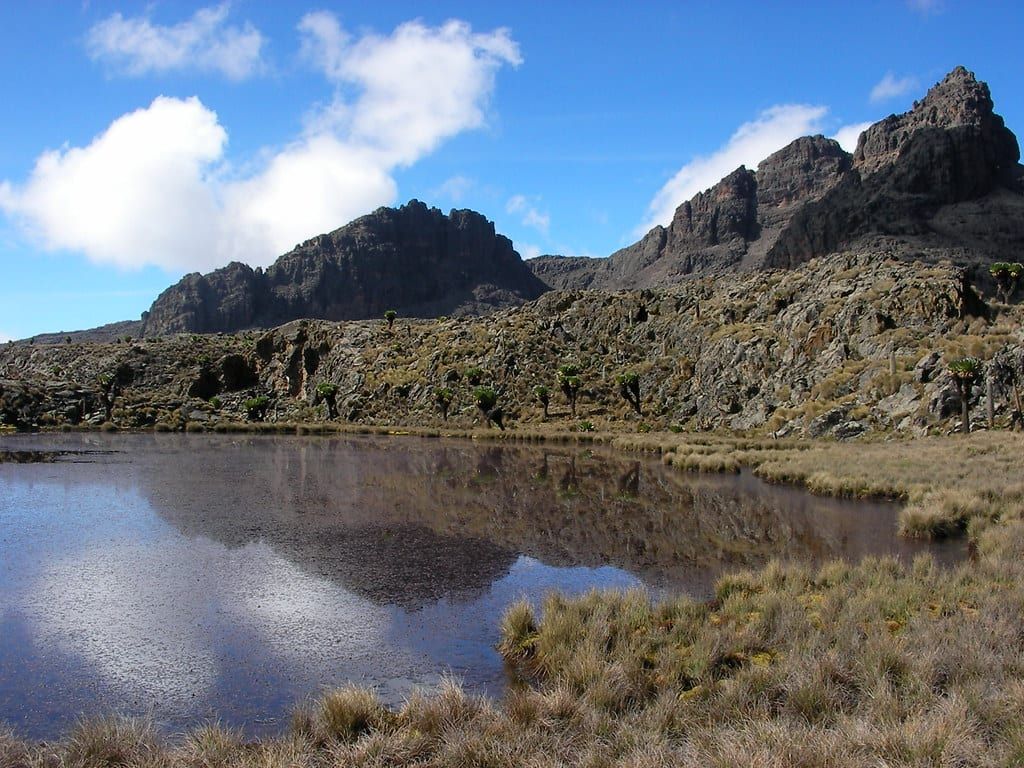
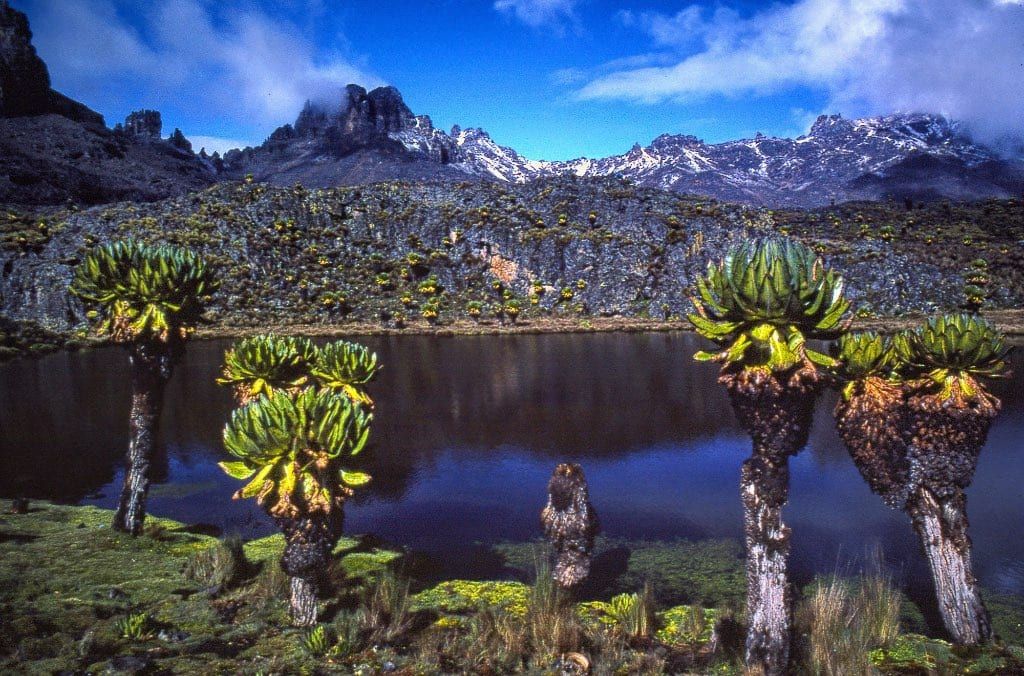
Climb Mount Kenya in January–March or June/July–October and you'll hit the mountain's two dry windows: firmer trails, clear ridgelines, and safer stream crossings. Get the month right and the rest of the trip almost plans itself.
Mount Kenya sits almost on the equator, so it runs on two wet-and-dry cycles a year instead of one. Each route and each peak reacts to those cycles on its own timetable. A Point Lenana trek works well in either dry season; a technical push on Nelion or Batian depends on which face of the mountain is holding dry rock or firm ice that month.
Quick Answer: The Best Months to Climb Mount Kenya
Two stretches of the calendar give you the best odds. The short dry season, January and February, brings the warmest days, the coldest, clearest nights, and the best summit visibility of the year — it's also the busiest stretch on the trails. The long dry season, June/July through October, runs cooler and windier but stays remarkably stable, with July–September drawing steady trekking traffic and October easing off into a quieter shoulder month.
Avoid pinning your only shot at the summit to the long rains if you can help it. Roughly March/April through June brings the heaviest rain and the muddiest trails of the year, and April–May is the single toughest stretch to trek. The short rains, October/November into December, are lighter and far more predictable — workable on a flexible itinerary, just not ideal for a first attempt on a tight schedule.
| Season | Months | Conditions | Crowd Level | Best For |
|---|---|---|---|---|
| Short dry season | January–February | Warm days, cold clear nights, best visibility | Busiest of the year | First-timers, sunrise photos |
| Long dry season | June/July–October | Cooler, windier, very stable skies | Quieter than Jan–Feb, still popular | Mountaineers, cooler-weather trekkers |
| Long rains | March/April–June | Heavy rain, mud, low visibility | Lowest | Experienced, flexible climbers only |
| Short rains | November–December | Lighter, more predictable showers | Low to moderate | Budget travel, solitude seekers |
Even inside a dry window, weather above 4,000m can flip within the hour. Pack for sun and sleet on the same afternoon, whichever month you book.
Why Mount Kenya Has Two Dry Seasons
Kenya's position on the equator splits the year into two wet-and-dry cycles instead of the single summer-winter pattern most climbers expect. The long rains fall roughly March/April through June; the short rains arrive around October/November into December. Everything in between — January–March and June/July–October — is dry season, twice over.
That rain doesn't fall evenly across the mountain. The forest belt and south-eastern slopes catch the brunt of it, sometimes over 2,500mm a year, while the northwest side stays comparatively sheltered. That single fact explains most of the route-timing advice later in this guide — the mountain's own geography and ecology decide which side dries out first.
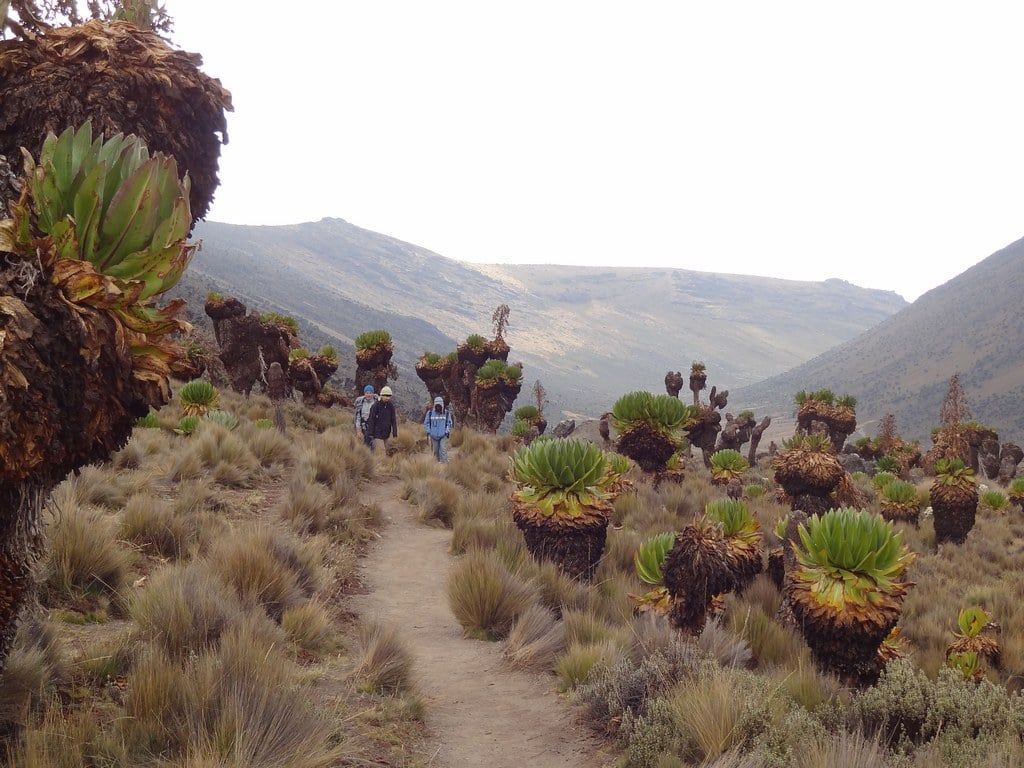
Elevation adds a second layer on top of the rain pattern. Below about 2,500m it's equatorial montane forest and bamboo, warm and often misty. From 2,500m to 4,000m it's afro-alpine moorland, cold, exposed and dotted with giant lobelias. Between 4,000m and 4,500m the terrain turns to bare alpine rock and scree, and above 4,500m it's permanent ice and snow — the nival zone around Batian and Nelion's glaciers.
None of those zones read the calendar the same way, which is why a dry month at the gate can still mean cloud and drizzle at 4,000m. Build in a buffer day.
Month-by-Month Weather on Mount Kenya
January and February are as good as it gets: warm days, cold nights, and the clearest summit visibility of the year. Base-camp daytime temperatures run 20–27°C, dropping to 7–11°C after dark. It's also when trails are busiest, so book huts early if you want these dates.
March opens the transition into the long rains, and by April and May the trails are at their worst. Expect heavy afternoon downpours, thick mud on the moorland sections, and cloud that swallows the peaks by mid-morning. Sunny spells still happen most days, but they're no longer something you can plan a summit push around.
June through September is cold but dry, with the kind of clear, wind-scoured skies mountaineers want. It's quieter than January–February and still popular enough that huts fill up. Layer heavily — days feel crisp rather than warm, and nights at altitude bite.
October is a genuine shoulder month, usually still holding decent weather before the short rains arrive. It's a good pick if you want dry-season conditions without the July–September crowds.
November and December bring the short rains, lighter and far more predictable than April–May. Showers tend to arrive in the afternoon rather than settling in all day, leaving mornings clear enough for a trek.
One thing doesn't change with the season: nights above 3,500m. Huts are unheated and campfires are banned above the forest line, so pre-dawn summit pushes routinely start at -15°C to -20°C, whether you're climbing in dry January or damp November. Pack for that cold no matter when you book.
Best Time by What You're Climbing: Point Lenana vs Batian & Nelion
The right month depends heavily on which summit you're after. Point Lenana is a trekking peak that tolerates either dry season; Batian and Nelion are technical peaks tied to a much narrower, face-specific window.
Point Lenana: The Trekker's Summit
Point Lenana, at 4,985m, needs no technical climbing skill, just fitness and a sensible acclimatization pace. Either dry window works: January–February for warmth and visibility, June/July–October for cooler, quieter trekking. Most guided trekking itineraries run to this summit rather than the technical peaks above it.
Batian and Nelion: The Technical Summits
Batian, at 5,199m, is Mount Kenya's true summit, and its neighbor Nelion, at 5,188m, both demand alpine climbing skills, ropework and multi-pitch experience. Trekking poles won't get you up here. Timing is tighter because it's tied to which face of rock or ice is actually climbable that month.
The South Ridge (Normal Route) to Nelion climbs best December–March, when the south-facing rock runs dry. The North Face Standard Route to Batian is the other way around, best June/July–September while that face holds firm ice and snow. Get the season backwards and you're fighting wet rock or rotten ice instead of a mountain.
Only around 200 climbers a year reach Nelion and about 50 reach Batian, against roughly 15,000 annual climbers overall — most headed for Point Lenana instead. Confirm current route conditions with a local guide or the Mountain Club of Kenya before committing, and look at climbing tours that specialize in these routes rather than general trekking packages.
Best Time by Route: Sirimon, Chogoria, Naro Moru & Burguret
Mount Kenya's four main approaches each sit on a different side of the mountain, and that changes their weather independently of the general dry-season calendar. Match the route to the month and you dodge the worst of each trail's specific problems, though the lower forest belt on any approach still means a chance of elephant or buffalo — see our zone-by-zone wildlife guide for what lives at each elevation.
Sirimon
Sirimon climbs the northwest flank and sits in a rain shadow, which makes it the driest and most weather-stable route on the mountain. It holds up well January–February and again June–October, and it's the route most guides default to when clients want the safest bet.
Chogoria
Chogoria, on the east side, is the most scenic approach — it passes Nithi Falls and Lake Michaelson on the way up — and also the most exposed to moisture blowing in off the Indian Ocean. Time it for January–February or September–October; outside those windows the cloud and rain roll in more often than not.
Naro Moru
Naro Moru is the shortest and steepest route, and its infamous Vertical Bog — a stretch of waterlogged tussock grass just above the forest line — turns into thigh-deep mud during the long rains. Avoid March–May here specifically; the rest of the dry-season calendar, January–February and June–September, is fine.
Burguret
Burguret, on the western flank, is the least maintained and least traveled of the four, with faint trails that turn unreadable fast once it rains. Stick to dry-season months only, and go with a guide who knows the route well since signage is minimal. For a fuller breakdown of what each route involves day by day, see our complete route and planning guide.
| Route | Best Months | Why |
|---|---|---|
| Sirimon | Jan–Feb, Jun–Oct | Rain-shadow position keeps it dry most of the year |
| Chogoria | Jan–Feb, Sep–Oct | Exposed to moisture off the Indian Ocean |
| Naro Moru | Jan–Feb, Jun–Sep (avoid Mar–May) | Vertical Bog turns to deep mud in the rains |
| Burguret | Dry season only | Least maintained, most rain-sensitive trail |
Crowds, Costs & Booking Lead Times by Season
Peak dry months, January–February and July–September, see the busiest trails and the fullest huts. Book guides and hut space 3–4 months ahead if your dates fall in either window, and check current entry and permit costs before you commit, since park fees are paid digitally in advance and cash isn't accepted at any gate.
Shoulder windows — early March, June, and October — often combine decent weather with noticeably fewer climbers on the trail. They're the sweet spot if good conditions matter more to you than guaranteed sunshine.
Wet-season climbs are the quietest of all, and some operators drop their rates for these dates. See our full price breakdown for how much season and route length shift the total cost.
Weekday departures are quieter than weekends even during peak season, since local operators and school groups tend to book the same Friday-to-Sunday slots. Ask about a Tuesday or Wednesday start if solitude matters more than convenience.
Mount Kenya never gets Kilimanjaro-crowded. Around 15,000 people climb it a year, about 60% reaching a summit, mostly Point Lenana — roughly half Kilimanjaro's annual footfall. If you're weighing the two mountains against each other, our side-by-side comparison covers the difficulty gap along with the crowd difference.
Should You Climb in the Rainy Season? The Honest Pros and Cons
Rain doesn't rule out a climb, it just changes the trade-offs. If your travel dates are fixed and they land in a wet month, here's what you're actually signing up for.
- Slippery, muddy trails, especially the Vertical Bog and any moorland section
- Cloud and fog that hide the peaks for hours or days at a stretch
- Lower summit success rates and a real chance of a washed-out attempt
- Slower river crossings and occasional trail delays after heavy storms
- Lush, green moorland and forest that dry-season photos never capture
- Dramatic cloud and light for photography once the rain clears
- Near-empty trails and huts, even in normally busy sections
- Occasionally lower rates from operators filling quiet-season slots
The two rainy seasons aren't equal. The long rains, March/April–June, are the tougher of the two, with sustained heavy rain and the lowest success rates of the year. The short rains, November–December, are milder and more predictable, and plenty of experienced climbers treat them as a genuine second season rather than one to avoid.
If you do climb wet, adapt for it: waterproof boots with aggressive tread, full waterproof shells and pack covers, and trekking poles for the slick sections. Build at least one buffer day into the itinerary in case a river crossing or a stretch of trail needs a delay.
Rainy-season Mount Kenya suits experienced, well-prepared, flexible climbers who want solitude over certainty. First-timers on a tight schedule should stick to the dry windows — there's enough to manage at altitude without fighting the weather too.
FAQs
What are the two dry seasons for climbing Mount Kenya?
January–March, especially January and February, is the short dry season, and June/July–October is the long one. Mount Kenya's equatorial location gives it two wet-and-dry cycles a year instead of one, so both windows are climbable.
Can you climb Mount Kenya in the rainy season?
Yes, year-round climbing is possible. April–May, the long rains, are the toughest months, with muddy trails and poor visibility; November–December, the short rains, are milder and far more workable.
Does the best time change if I want to summit Batian or Nelion instead of Point Lenana?
Yes. The South Ridge/Normal Route to Nelion climbs best December–March while the south-facing rock is dry, and the North Face Standard Route to Batian climbs best June/July–September while that face holds firm ice.
How many days does it take to climb Mount Kenya?
Most trekkers take 5–6 days for Point Lenana, within an overall range of 3–8 days depending on route and acclimatization plan. Technical climbs to Nelion or Batian generally run longer.
Which route has the most reliable weather?
Sirimon. It sits in a rain shadow on the mountain's northwest side, making it the driest and most weather-stable of the main approaches.
Is Mount Kenya busy, and do I need to book ahead for peak season?
It's busy by its own modest standards, around 15,000 climbers a year, roughly half Kilimanjaro's footfall. Book huts and guides 3–4 months ahead for dry-season dates.
How cold does it get on the summit?
Camps above about 3,500m routinely fall to -15°C to -20°C before dawn, in any month, since huts are unheated and campfires are banned above the forest line.
Does the time of year affect altitude sickness risk?
Not directly — oxygen levels don't change with the season, but cold, wet conditions add fatigue on top of the altitude. A slow, multi-day acclimatization pace matters no matter when you climb.