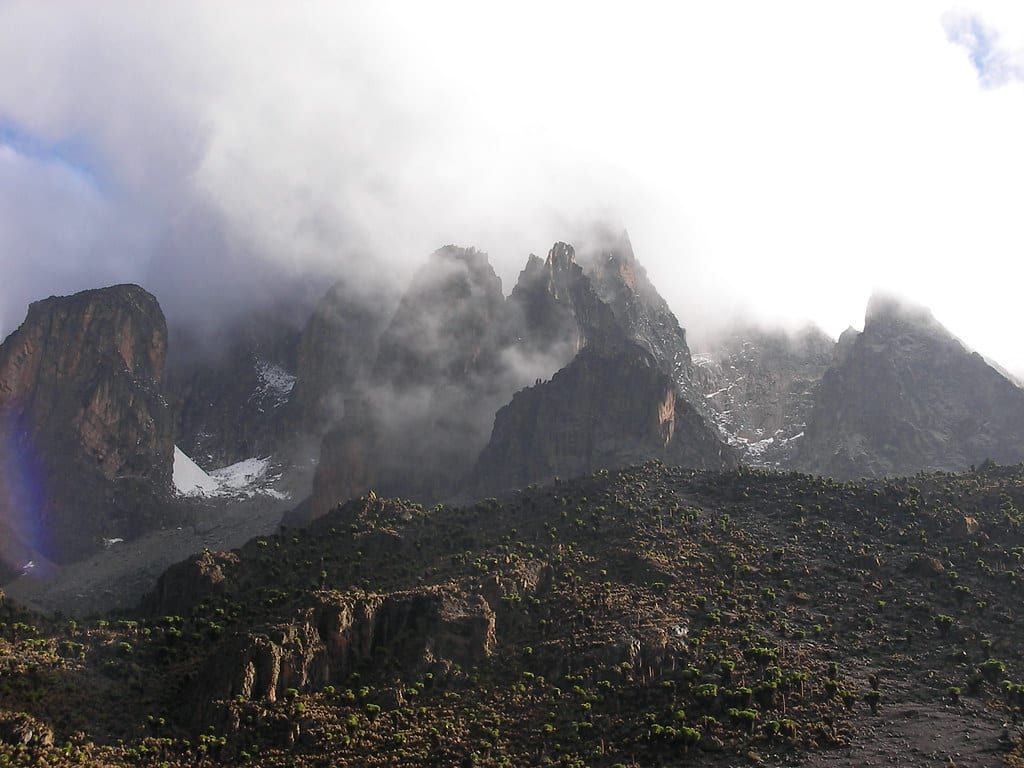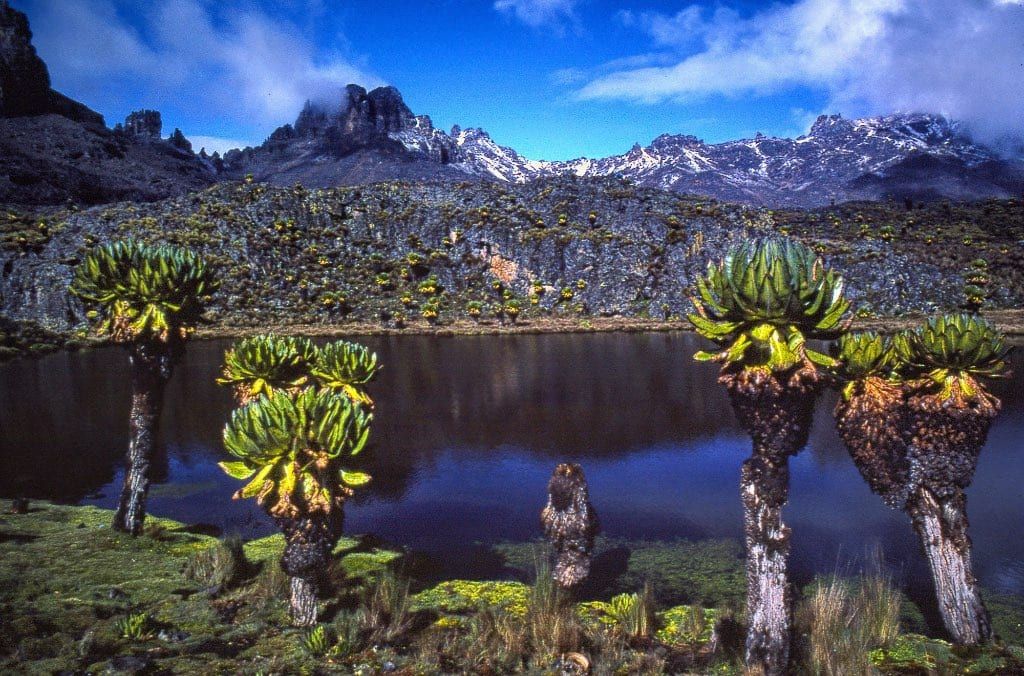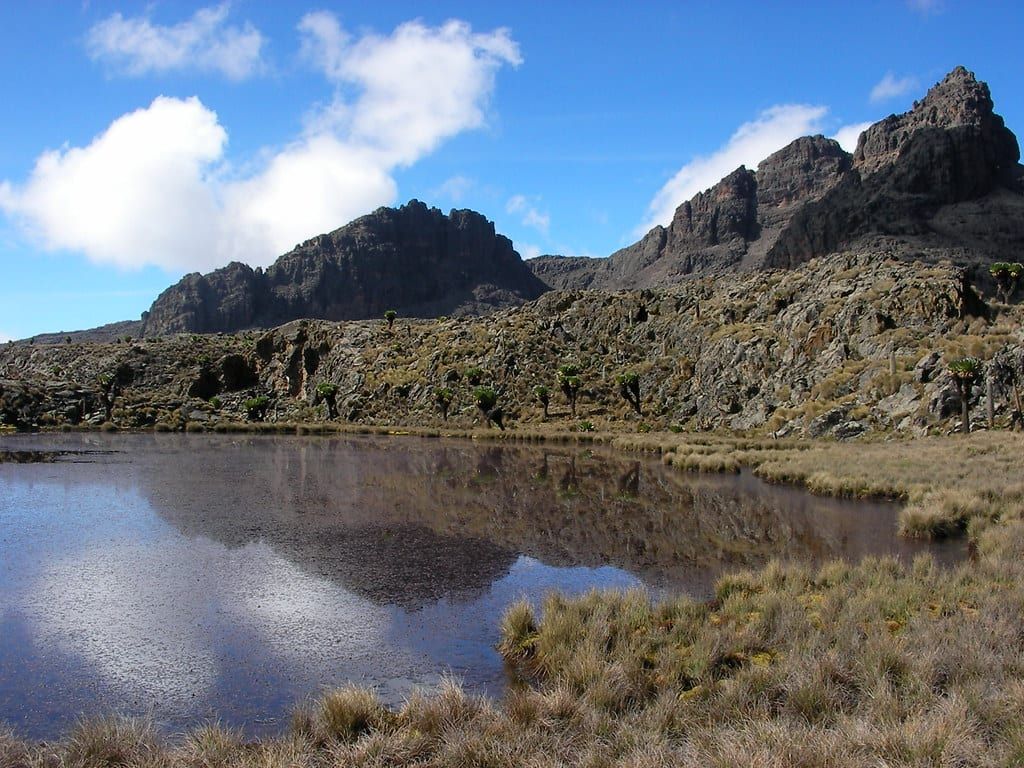
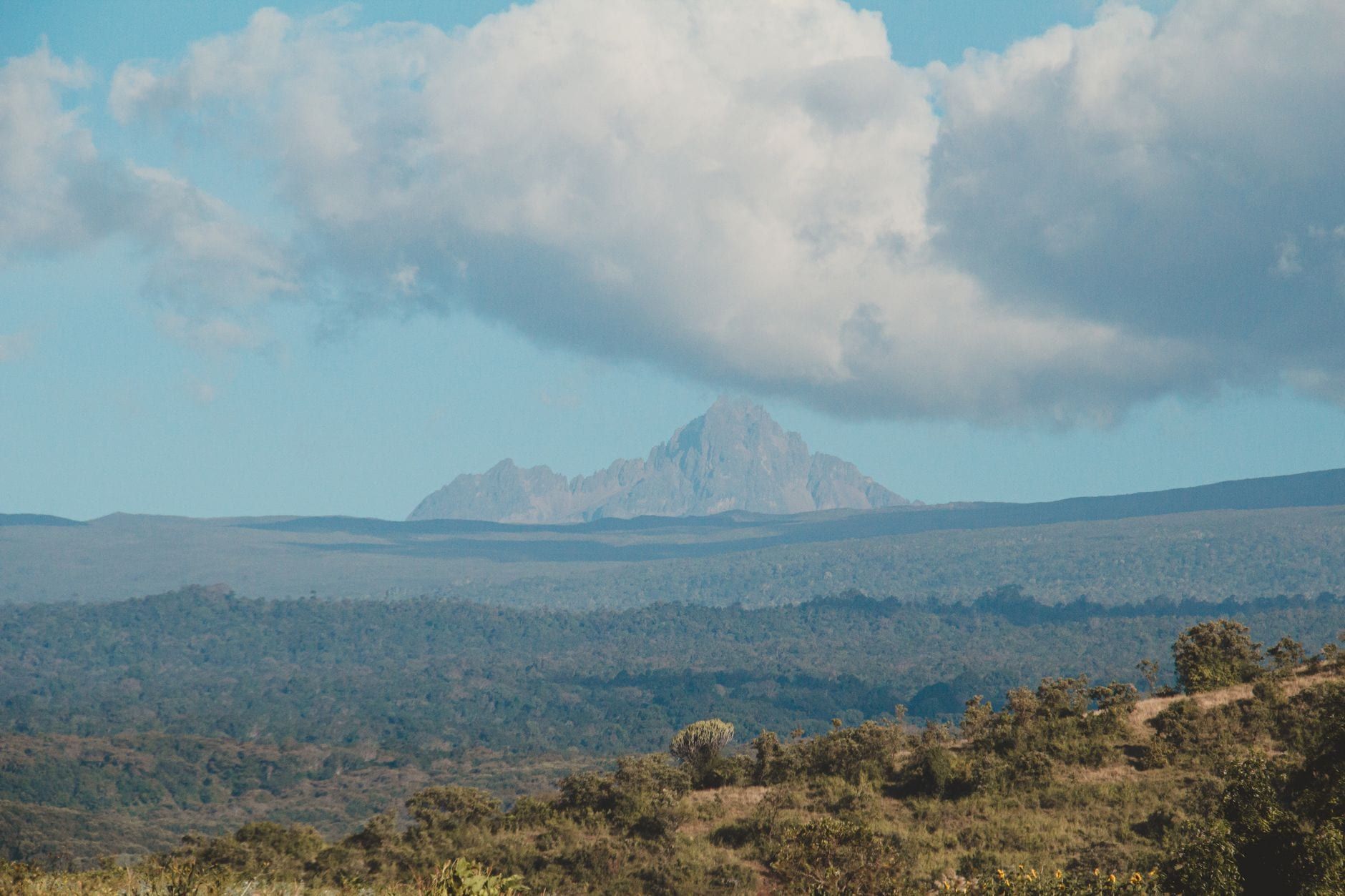
Most visitors who base themselves in Nanyuki, Naro Moru or Chogoria never intend to spend five or six days climbing to Point Lenana. They want a day out — a forest walk, a rhino sighting, a waterfall swim — before moving on to the rest of a Kenya itinerary. The park and the conservancies, forests and villages around it deliver exactly that, provided you know which gate to use and how much ground you can cover between breakfast and sunset.
This guide splits the region into six real day-trip categories: short hikes inside the park, the Ngare Ndare canopy walk, the wildlife conservancies around Ol Pejeta and Solio, adventure add-ons near Loldaiga Hills, and cultural visits with Kikuyu and Meru families. Each comes with distance, timing and who it suits, so you can build one solid day or string two together.
Quick-Reference: Best Day Trips from Mount Kenya National Park
Mount Kenya sits roughly 190-200 km north-northeast of Nairobi, a three-to-four-hour drive depending on which gate you're aiming for — Naro Moru is 188 km from the capital, Sirimon 200 km. Staying in Nairobi rather than Nanyuki still leaves most of the day trips below workable as a long day, though the conservancies and Ngare Ndare are easiest treated as an add-on once you're already based in Nanyuki.
| Day Trip | Distance/Time from Nanyuki | Duration Needed | Best For |
|---|---|---|---|
| Sirimon Gate forest walk to Old Moses Camp | 30-60 min to gate, then on foot to ~3,000 m | Half day | Hikers & birdwatchers |
| Naro Moru Gate to Met Station | 30-60 min to gate | Half day | Easy hikers, families |
| Ngare Ndare Forest canopy walk & waterfalls | ~40 km, about 1 hour | Half to full day | Families |
| Ol Pejeta Conservancy game drive | 1-1.5 hours | Full day | Wildlife lovers |
| Loldaiga Hills biking or walking safari | Short drive from Nanyuki | Half day | Adventure seekers |
| Cultural or farm visit near Chogoria/Embu | Varies by village | Half day | Culture seekers |
Pick one main destination from the table and, if you're moving fast, one nearby add-on — Ngare Ndare pairs naturally with Ol Pejeta since both sit off the same road north of Nanyuki. Trying to fit three stops into a single day usually means rushing all of them.
Day Hikes Within Mount Kenya National Park (No Summit Required)
A day hike inside the park boundary looks nothing like the summit trek. You drive to a gate, walk two to four hours through forest or moorland, and drive back out before the 6pm closing time Kenya Wildlife Service enforces at Sirimon, Naro Moru and Chogoria.
Sirimon Gate to Old Moses Camp
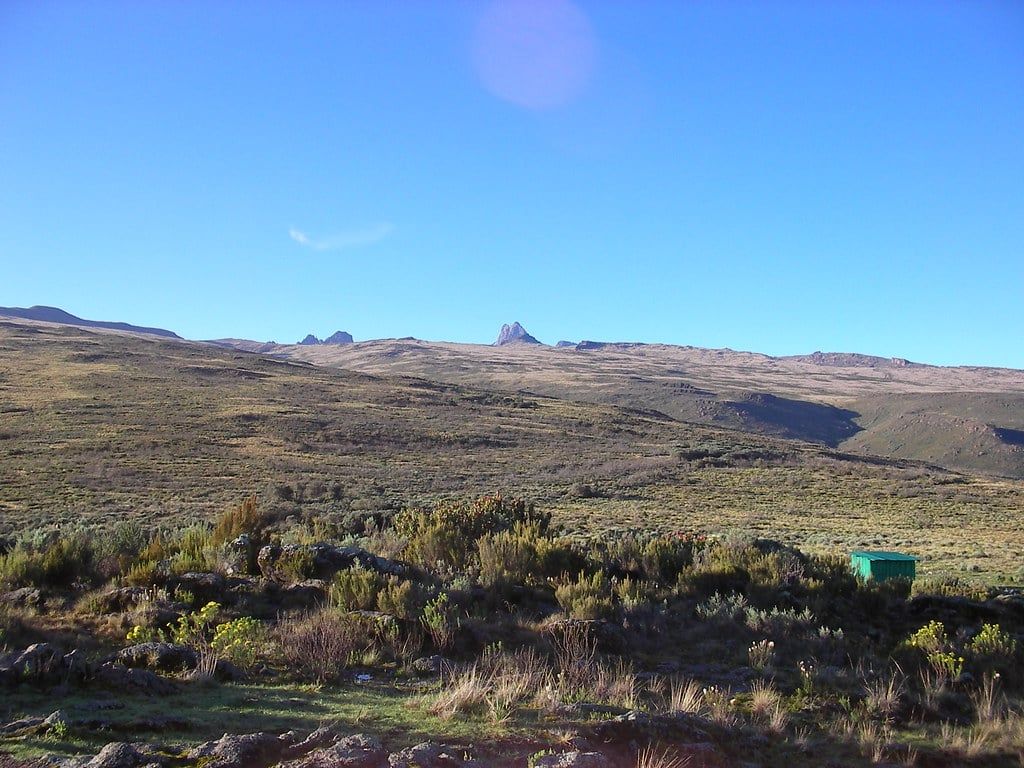
The Sirimon route's lower stretch runs through gallery forest before opening onto moorland, and a there-and-back walk to Old Moses Camp at about 3,000 m makes a solid half-day or full-day outing. Birdwatchers rate it highly for the forest-edge activity near the gate.
Naro Moru Gate and the Met Station
Naro Moru is the shortest, steepest route up the mountain, but its lower section to the Meteorological Station is a manageable day walk through forest and bamboo, well below the infamous Vertical Bog higher up. It's also the gate with the best paved access, which is why most tour vehicles use it for a straightforward there-and-back.
Chogoria Gate Forest Walks
Chogoria's forest is denser and wetter than the other two gates, feeding into a route many trekkers consider the most scenic on the mountain, with Nithi Falls and Lake Michaelson higher up. A short walk from the gate through that forest zone gives a taste of the scenery without the multi-day commitment — a good pick if you're already based near Chogoria or Embu.
Why Point Lenana Isn't a Day Trip
Point Lenana tops out at 4,985 m, and reaching it safely takes four to six days round trip even on faster route combinations. Roughly 15,000 people summit it each year, almost all via multi-day itineraries with time built in to acclimatize. Above 3,000 m the air thins fast enough that altitude sickness becomes a real risk, and a rushed one-day push gives your body no chance to adjust. Treat any Point Lenana attempt as its own trip — our route and cost planning guide covers what that actually takes.
Watch for tree hyrax rustling in the canopy, white-tailed mongoose crossing the trail, and waterbuck grazing forest clearings on any of these walks — the lower zones hold more wildlife than most day-trippers expect. Pack binoculars if birding is the goal; our zone-by-zone wildlife guide breaks down what lives where on the mountain.
Old Moses Camp and the Met Station both have flat, open ground that works for a packed lunch before you turn back. Bring your own food — there's nothing to buy past the gate.
Ngare Ndare Forest Reserve: Canopy Walk, Waterfalls & Elephant Corridor
Ngare Ndare Forest sits about 40 km, roughly an hour's drive, from Nanyuki, and it's the single most recommended day trip in the area. A canopy walkway strung between indigenous trees puts you above the forest floor, level with the branches where colobus monkeys move through the canopy.
Below the walkway, clear forest streams pool into natural swimming holes cool enough to be a genuine reward after a hot drive — bring a swimsuit if the day is warm. The reserve's indigenous forest is part of the same UNESCO World Heritage property as Mount Kenya itself, linked north to Lewa Wildlife Conservancy by a 9.8 km elephant corridor that lets wildlife move freely between the two.
Ngare Ndare needs only half a day, which is why it pairs naturally with a conservancy game drive or a stop in Nanyuki on the way back. It's the better call for families and anyone who wants scenery without a strenuous hike.

Wildlife Conservancies Nearby: Ol Pejeta, Sweetwaters & Solio
Three conservancies within striking distance of Nanyuki cover different budgets and crowd levels, but they answer the same question: where do I go if I want guaranteed animals rather than a forest walk that might turn one up.
Ol Pejeta Conservancy
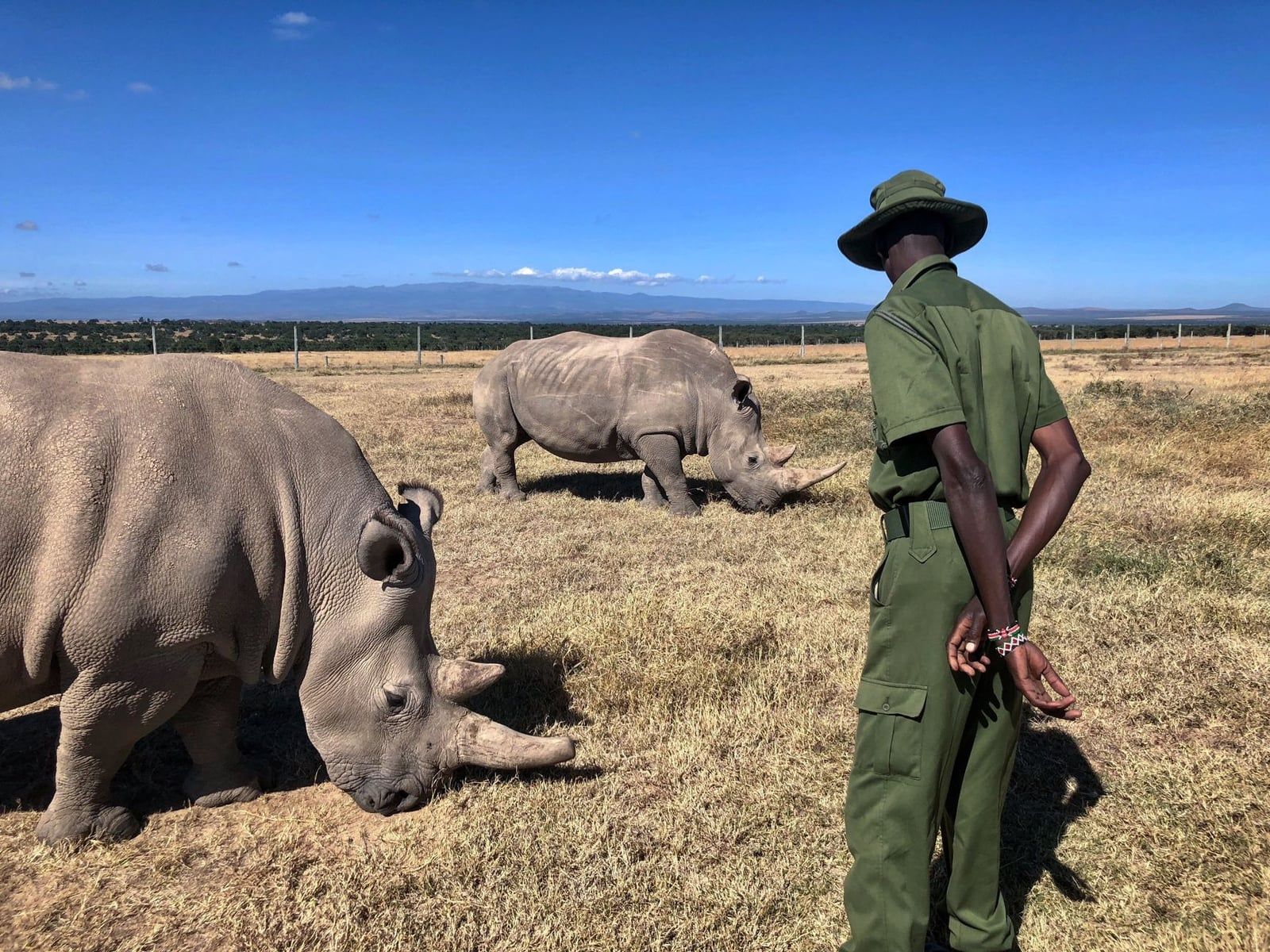
Ol Pejeta, about 1 to 1.5 hours by road from Nanyuki or Naro Moru, is the headline wildlife stop in the region. It holds the world's last two northern white rhinos and the largest black rhino sanctuary in East Africa, alongside lion, elephant and the rest of the Big Five on standard game drives. A chimpanzee sanctuary run with the Jane Goodall Institute houses rescued chimps that can't be released to the wild.
Sweetwaters
Sweetwaters sits inside the Ol Pejeta property and is really the same conservancy under a lodge name. Most day-trippers who book a Sweetwaters game drive end up covering the same rhino sanctuary and chimp enclosure — if you only have one wildlife day near Mount Kenya, this is it.
Solio Ranch
Solio Ranch, a private rhino sanctuary between Nyeri and Nanyuki, is a quieter alternative if Ol Pejeta's popularity puts you off. Expect fewer vehicles and similar odds of a close rhino sighting; it just doesn't have Ol Pejeta's chimp sanctuary or name recognition, which is part of its appeal.
A conservancy day is a different experience from a park forest walk. You stay in the vehicle, cover far more ground, and the wildlife is close to guaranteed rather than a matter of luck in dense forest. Hikers who want both are better off treating them as two separate days — most operators running Mount Kenya day tours will happily combine the two across a longer booking.
Loldaiga Hills & Adventure Add-Ons
Loldaiga Hills, a private conservancy of open grassland and rocky outcrops near Nanyuki, is built for movement rather than game-drive viewing. Mountain biking, horseback safaris and guided walking safaris cross terrain where zebra and giraffe are common sightings — it suits travelers who've already done a vehicle-based safari elsewhere and want something more active.
Nanyuki-based operators run paragliding and abseiling trips off the escarpments and cliffs around town, both bookable as half-day add-ons rather than full expeditions. Neither needs previous experience — instructors handle the technical side, you handle the nerve.
Trout streams flowing off Mount Kenya's slopes support fly fishing day trips, a slower-paced option for anyone who'd rather spend the day beside water than climbing toward it.
A mountain picnic is the simplest version of all this: a short drive to a viewpoint on the lower slopes, lunch with Mount Kenya's peaks as the backdrop, home before dark. It's the fallback for a rest day between bigger excursions, or for travelers who just want a low-key look at the mountain without lacing up boots.
Cultural & Community Day Trips
Community tourism around Mount Kenya runs through Kikuyu and Meru farming villages rather than museums. Homestays and farm visits built around coffee, honey and dairy production let you see how the mountain's lower slopes actually get farmed, not just admired from a trail.
Traditional music and dance performances are staged near Chogoria and Embu, usually arranged through a local guide rather than turned up to on spec. Handicraft workshops nearby cover basket weaving, wood carving and beekeeping demonstrations — good half-day options for a souvenir with a story attached, rather than one from a curio stall. For background on why the mountain matters to these communities, see our Mount Kenya overview.
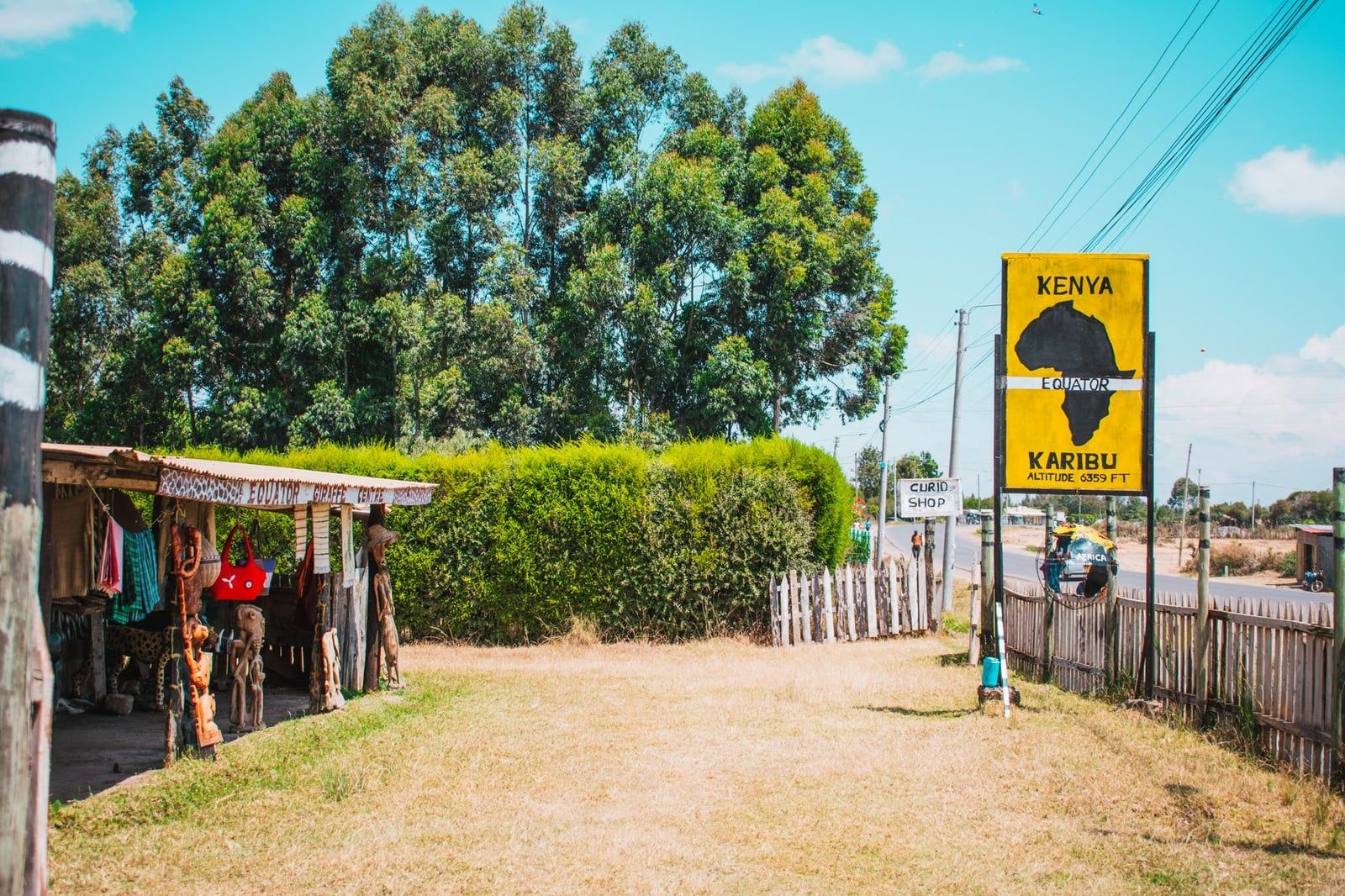
Nanyuki itself is worth an hour even if you're not staying there. The equator line just outside town has a marked crossing point where guides demonstrate the Coriolis effect on draining water — a quick, slightly gimmicky photo stop that never really gets old. The town's curio markets are a fair last stop for gifts before heading back to Nairobi or on to the next leg of a Kenya trip.
Planning Your Day Trip: Logistics, Costs & Best Time to Go
Sirimon and Naro Moru gates sit 30 to 60 minutes from Nanyuki town by local taxi or arranged transport; there's no public transit into the park itself, so you're relying on a hired vehicle either way. Chogoria Gate is a separate approach off the Embu-Meru road, better suited to travelers already based on the mountain's eastern side. Check current routes and transport options before committing to a gate, since road conditions shift with the season.
Self-driving works fine for Ngare Ndare, the conservancies, Nanyuki town and the equator stop — all sit on decent, well-signed roads. Inside Mount Kenya National Park it's a different rule: hiking alone is prohibited outright, and every walk past a gate, even a short one, needs a KWS-licensed guide. Book that through a park-registered operator rather than showing up and hoping.
Entry to the park runs USD 70 for a non-resident adult for 24-hour access under the current KWS tariff, with East Africa citizens paying KES 800 and Kenyan residents KES 1,100; children pay roughly half. Fees are paid in advance through the KWSPay platform on eCitizen — gates no longer take cash, so sort payment before leaving Nanyuki. Full current rates are on our opening hours and fees page, since a 2025 fee increase is still under legal review and could shift.
Aim for the dry windows, January to March or June to October, when trails firm up and the peaks stay visible instead of buried in cloud. The long rains from March or April into May, and the short rains in November, turn moorland sections to mud and can close access roads outright — check conditions the morning of, not the week before. For a deeper seasonal breakdown by route, see our best time to climb guide.
- A base layer plus a fleece or light down jacket for sudden temperature drops
- A waterproof shell, even on a clear morning — mountain weather turns fast
- At least 2 litres of water and a packed lunch, since gates sell little
- Park permits paid in advance via KWSPay — cash isn't accepted
- Small notes of cash for local guides, craft purchases or conservancy extras
Frequently asked questions
Can you summit Point Lenana on Mount Kenya in a single day?
No. Point Lenana stands 4,985 m and typically takes four to six days round trip to reach safely, with time built in for acclimatization. About 15,000 people summit it each year, almost all on multi-day treks — a rushed one-day push carries real altitude-sickness risk.
How far is Ngare Ndare Forest from Mount Kenya National Park?
About 40 km, roughly an hour's drive from Nanyuki, which makes it a popular half-day or full-day add-on for its canopy walkway and forest swimming pools.
What is the best day trip from Mount Kenya for wildlife?
Ol Pejeta Conservancy, about 1 to 1.5 hours from Nanyuki, home to the world's last two northern white rhinos, the largest black rhino sanctuary in East Africa, Big Five game drives and a chimpanzee sanctuary.
Do you need a guide for a day hike inside Mount Kenya National Park?
Yes. Hiking alone is prohibited inside the park, and every walk past a gate, including a half-day hike to Old Moses Camp, requires a KWS-licensed guide.
What is the best time of year for day trips around Mount Kenya?
The dry periods from January to March and June to October give the clearest mountain views and the easiest trail and road conditions. The long rains (March/April-May) and short rains (November) bring mud and possible closures.
Are day trips around Mount Kenya suitable for families with kids?
Yes. Ngare Ndare's canopy walk and swimming pools, plus conservancy game drives, suit children far better than high-altitude hiking, which isn't recommended above 3,000 m for kids under 10.
How far is Mount Kenya from Nairobi for a day trip?
About 190-200 km depending on the gate — Naro Moru is 188 km, Sirimon 200 km — roughly a three-to-four-hour drive, which makes lower-elevation activities near the park boundary feasible from Nairobi in a long day.
Can you combine a wildlife conservancy and a forest walk in one day?
It's tight. Most days work better as one main stop plus a nearby add-on — Ngare Ndare with a conservancy, or a short park forest walk with a cultural visit — rather than trying to cram in three separate sites.