
Explore Africa's second-highest peak on a multi-day Mount Kenya trekking tour. Choose from popular paths like the Sirimon and Chogoria routes to reach Point Lenana, with local guides and meals included.
 Free Cancellation
 Reach Point Lenana's 4,985-meter summit on a trek designed for both novice hikers and experienced climbers.
 Free Cancellation
 Traverse Mount Kenya via the Chogoria route’s rock amphitheaters and lakes, descending through Sirimon's forests.
 Free Cancellation
 Local guides manage the logistics and site history so you can focus on the landmarks.
 Free Cancellation
 Hike to the 4,985m Point Lenana or attempt technical climbs on Batian and Nelion, Mount Kenya’s highest peaks.
 Free Cancellation
 Reach Point Lenana on Mount Kenya via the Sirimon Route, a drier and shorter alternative to the Naromoru path.

This four-day trek climbs Mount Kenya's Sirimon Route through tropical rainforests and high-altitude moorlands.
 Free Cancellation
 Track the world's last two northern white rhinos and 105 black rhinos before hiking the slopes of Mount Kenya.

Climb to the equatorial snowfields of Mount Kenya on this three-day trek via the Sirimon Route.
Read what travelers share about their experience visiting Mount Kenya — from practical tips to personal highlights.
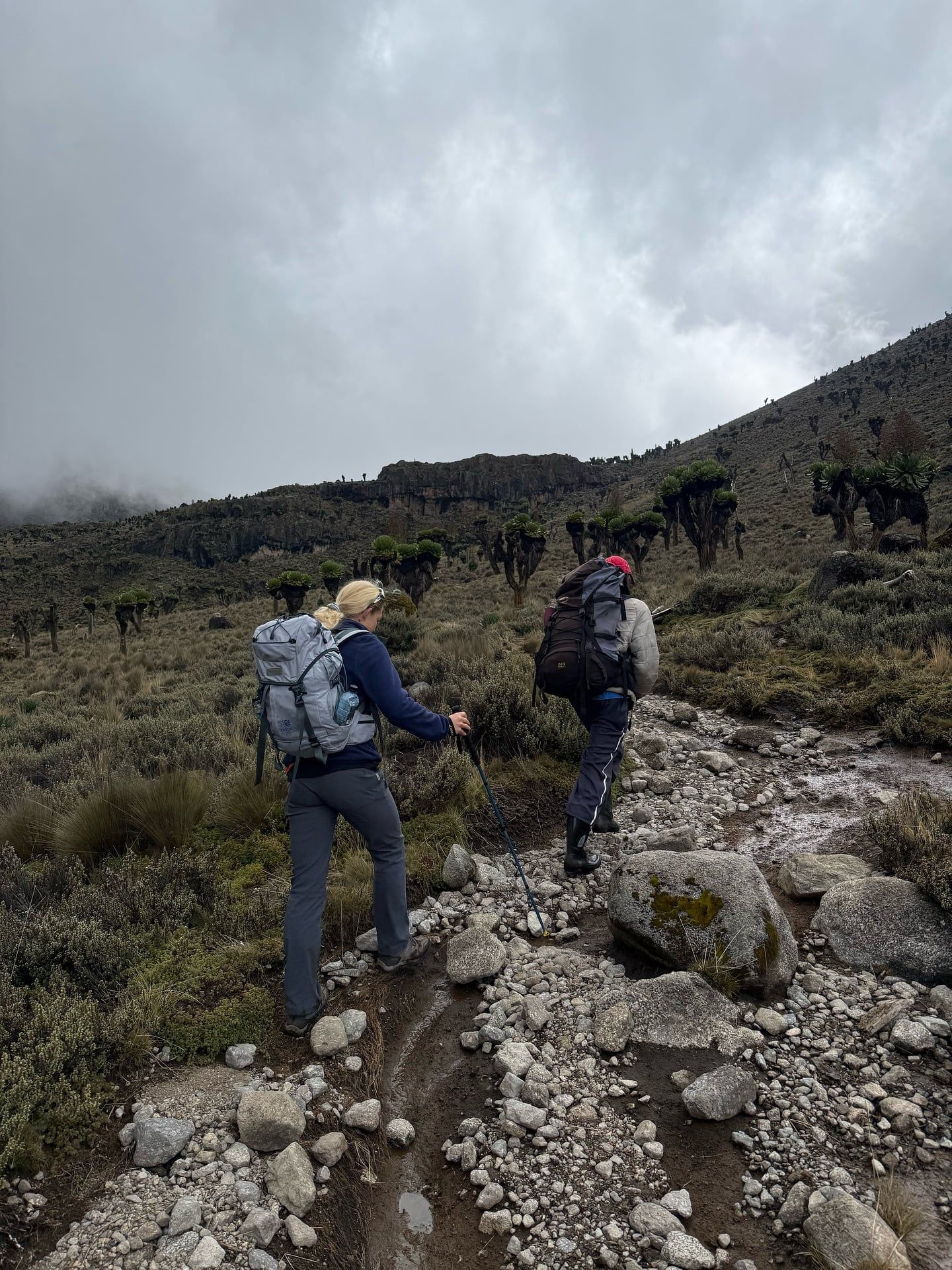
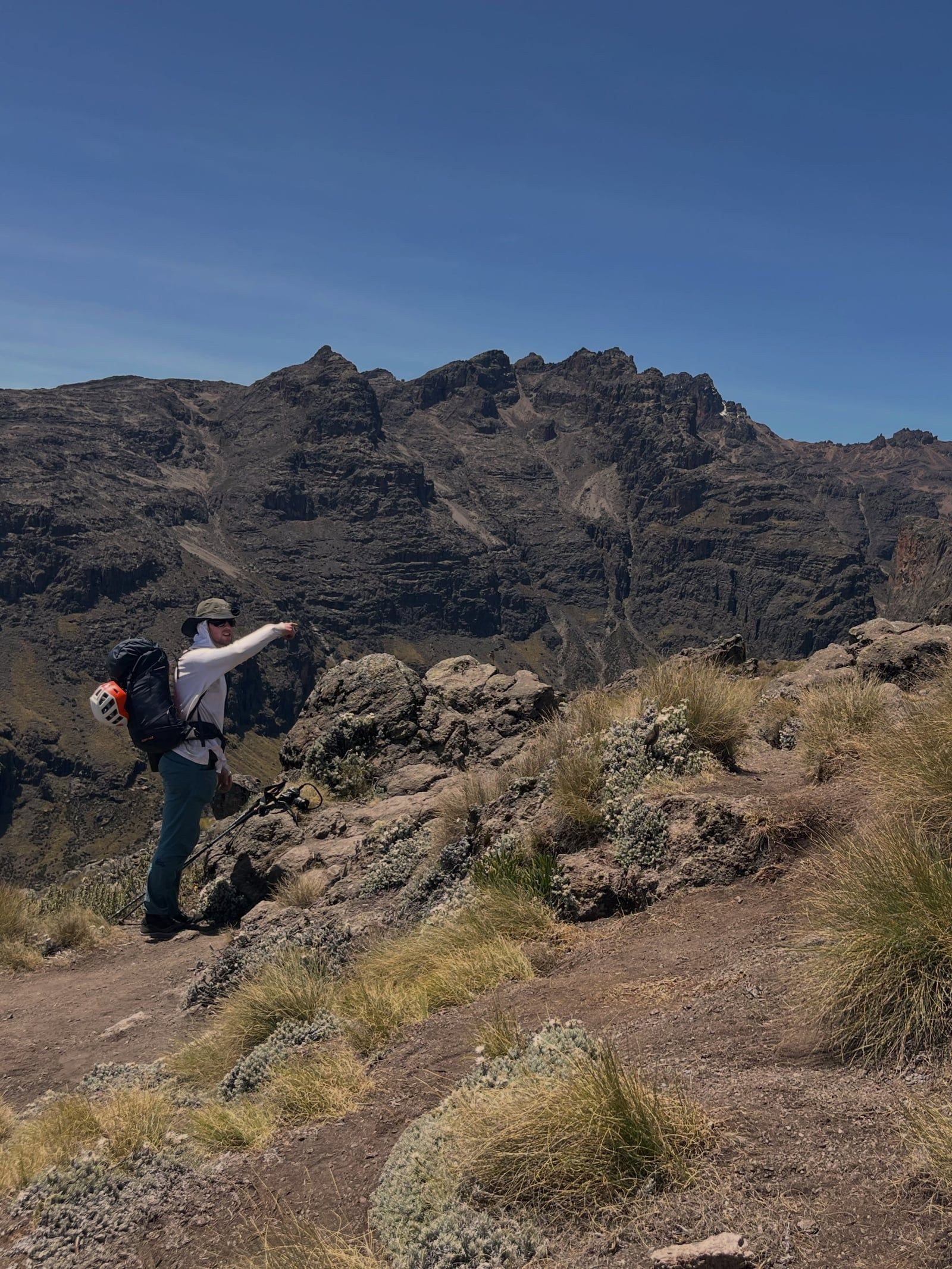
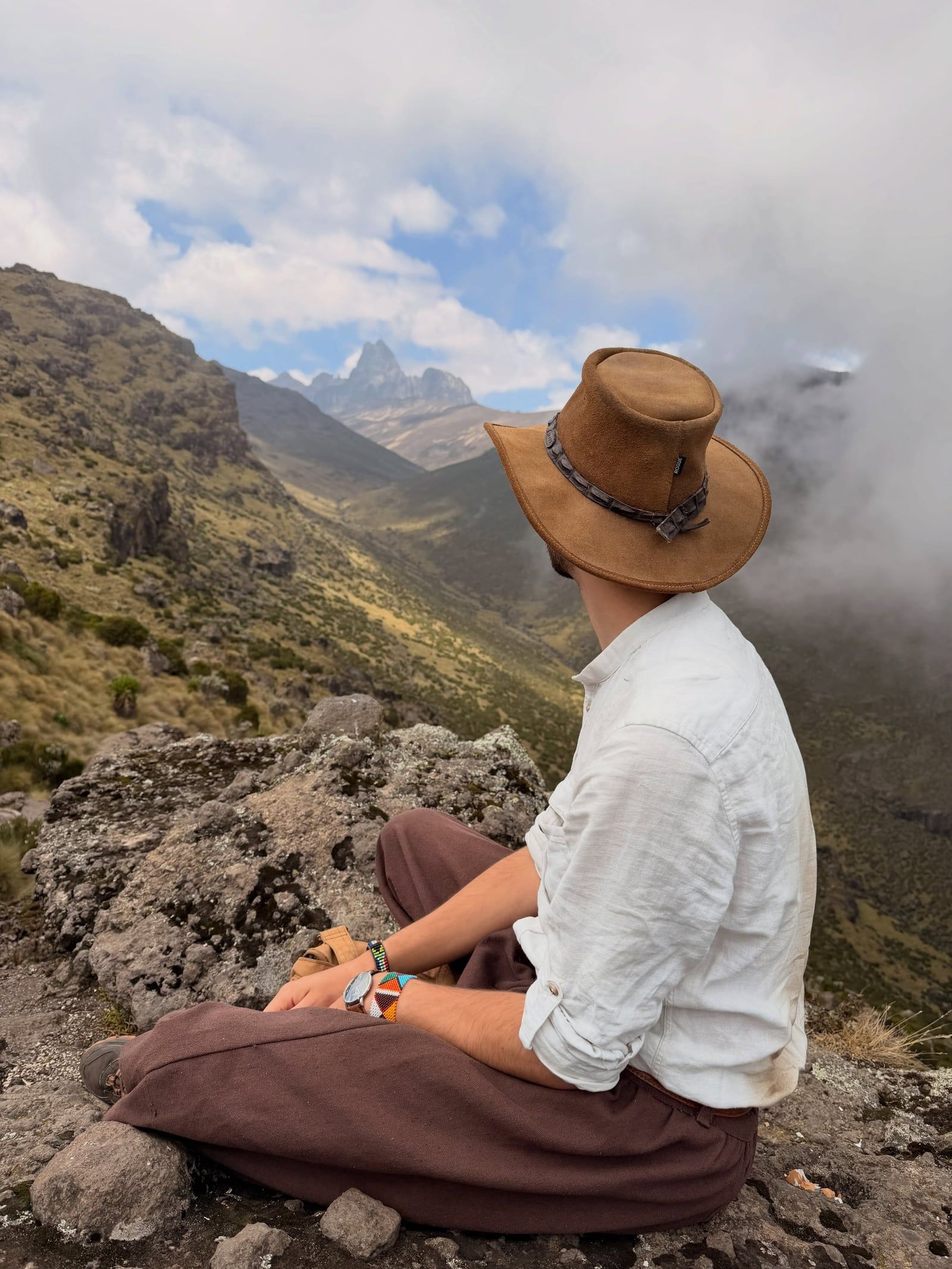
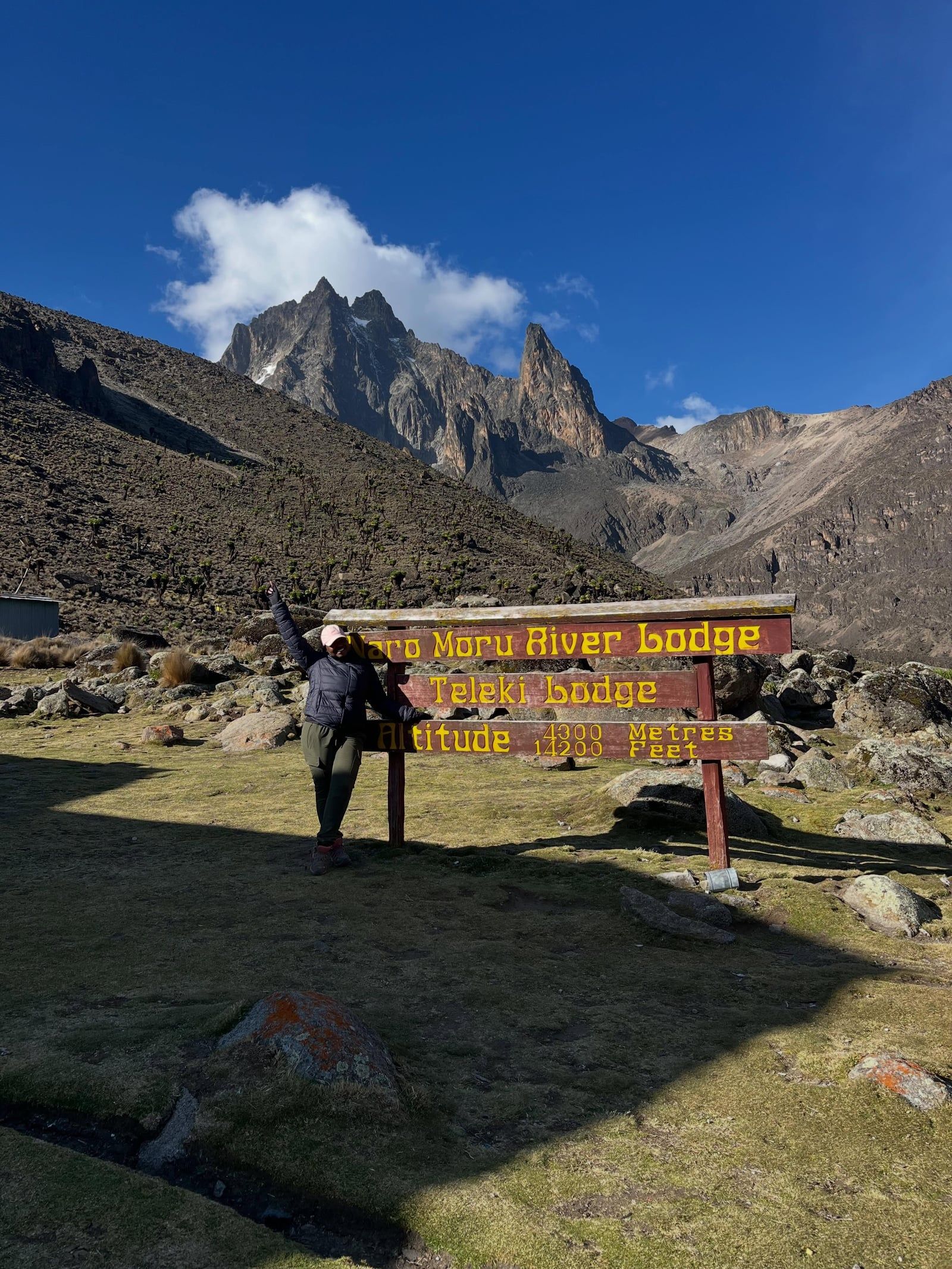
Mount Kenya trekking tours span three to six days, taking you through montane forests and afro-alpine moorlands to reach Point Lenana at 4,985 meters. You hike alongside licensed guides and porters, sleeping in mountain huts or tents as you ascend the second-highest peak in Africa.
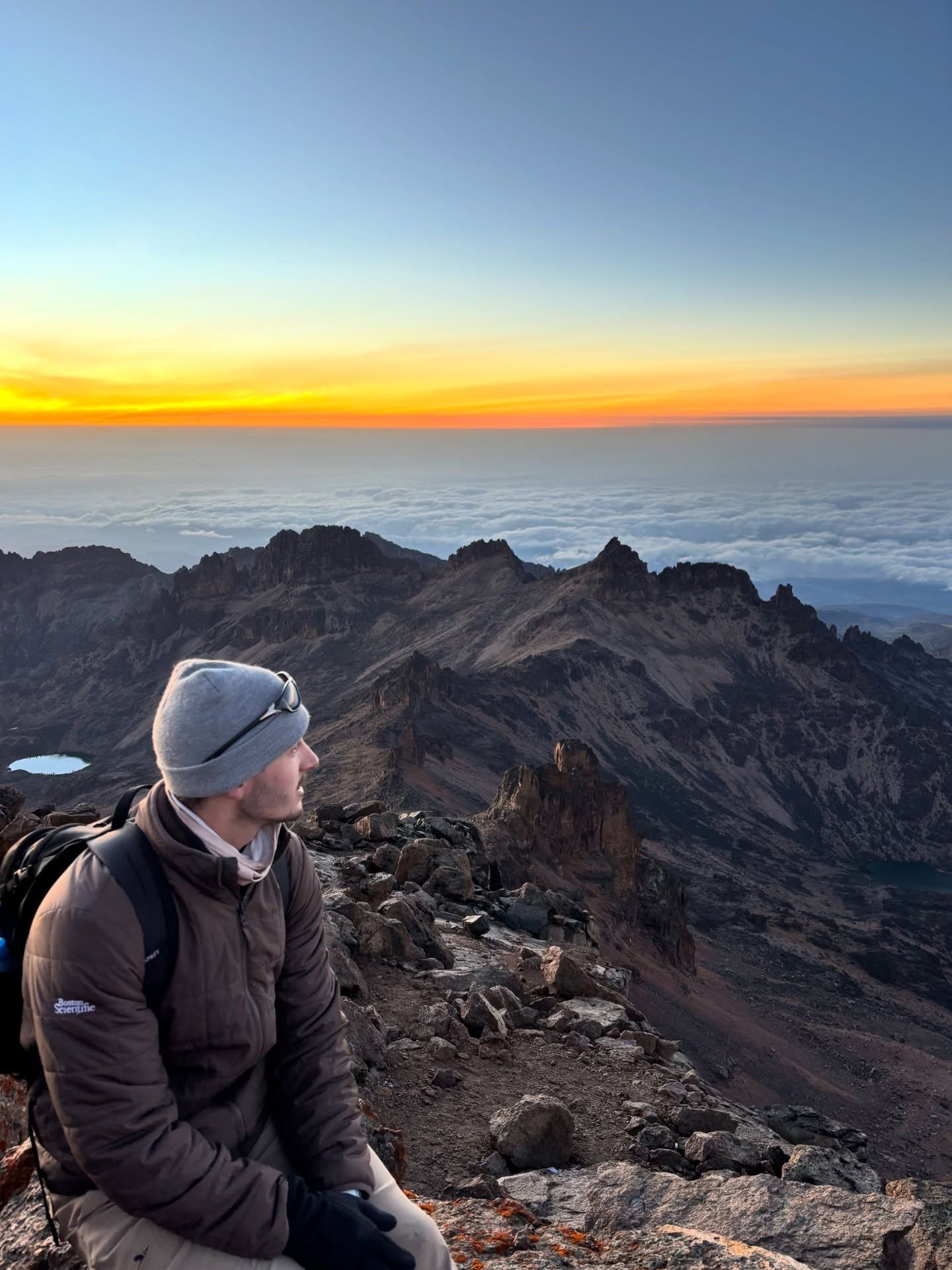
Most treks culminate at this 4,985-meter peak. You push for the summit between 3:00 and 6:30 AM to watch the sunrise over the glaciated spires of Batian and Nelion.
The Naro Moru route forces hikers through a steep, waterlogged section of tussocky moorland just above the forest line. Expect thigh-deep mud in places before the trail opens to alpine desert.
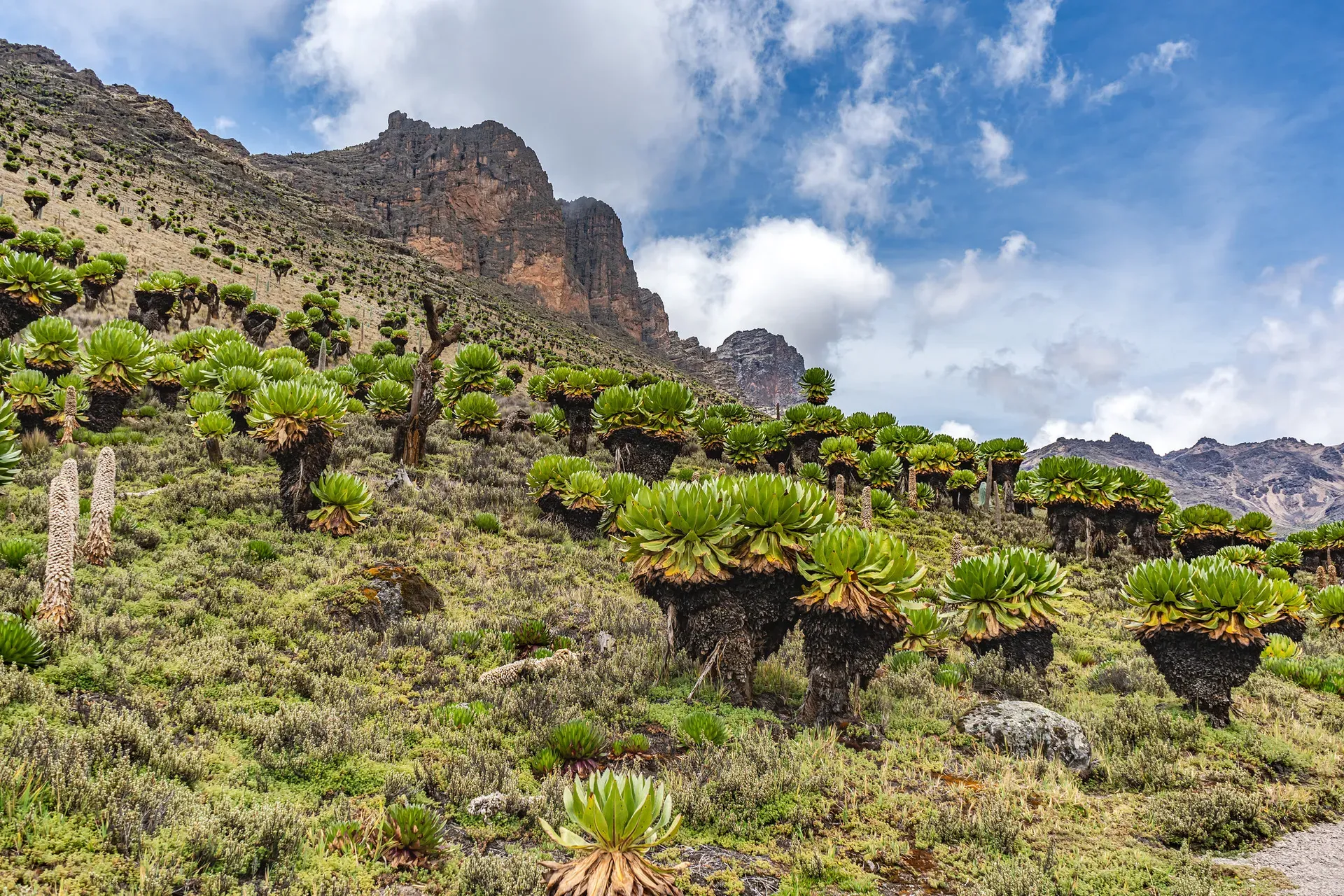
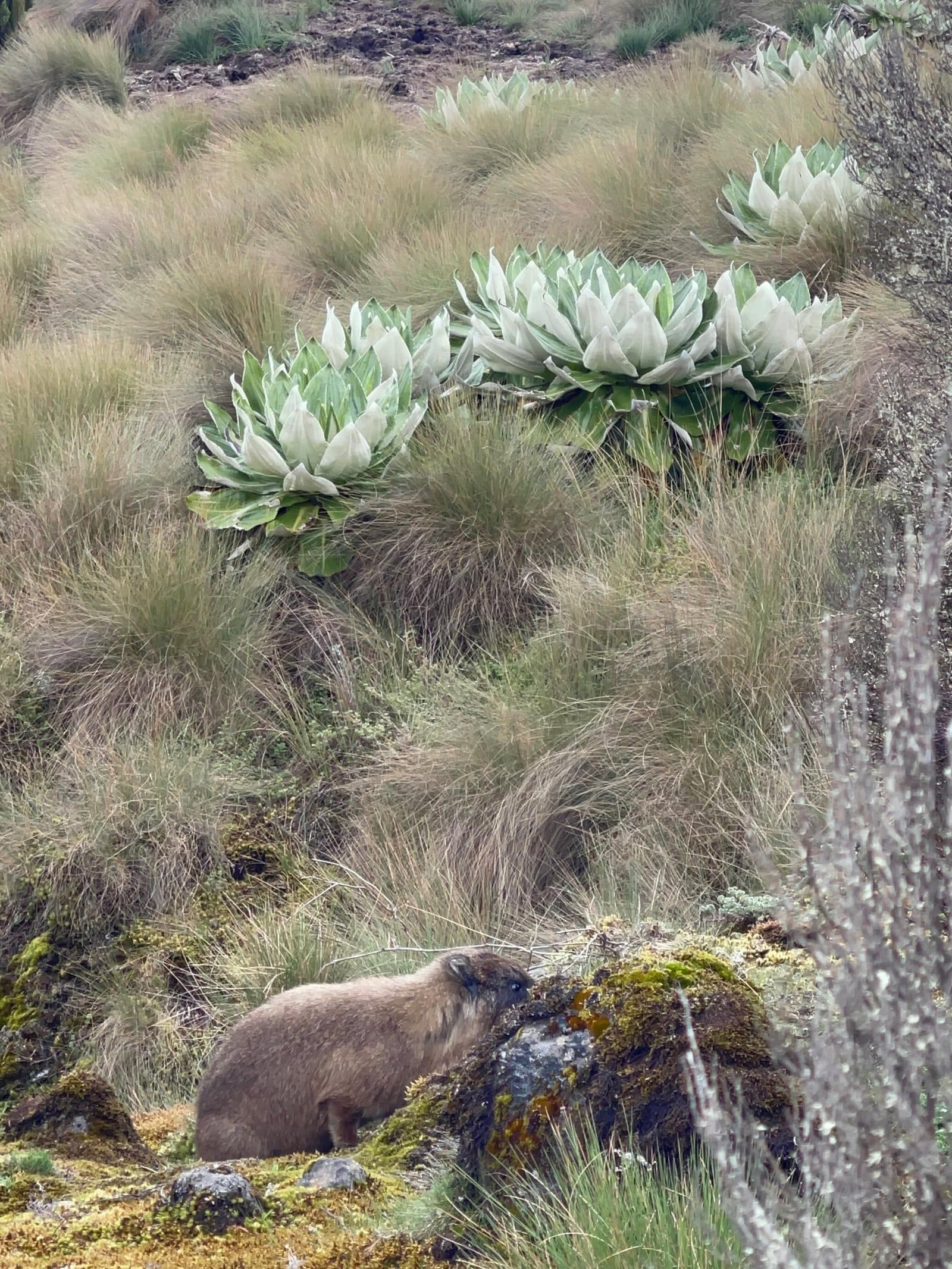
Above 3,000 meters, the landscape shifts to moorland populated by giant lobelias and towering groundsels. These endemic plants rise like sculptures against the highland mist.
The eastern approach covers roughly 40 kilometers of dramatic terrain. You pass the steep drop of Nithi Falls and the turquoise waters of Lake Michaelson cupped beneath sheer cliffs.
Roughly 20 glacial lakes scatter the mountain between 3,950 and 4,800 meters. These small tarns reflect the surrounding peaks and receding glaciers.
The lower montane forest and bamboo belts host elephants, black rhinos, and giant forest hogs. You might also spot tree hyraxes and sunbirds before hitting the treeline.
Booking a Mount Kenya trek requires securing guides, porters, and digital park permits in advance. Tour operators handle these logistics, leaving you to choose your route and duration based on your fitness level.
Standard treks to Point Lenana take three to six days. Three-day options use the direct Sirimon route, while four-day itineraries often ascend Sirimon and descend Chogoria or Naro Moru.
Hiking alone is prohibited inside the national park. All tours include a KWS-licensed guide and a team of porters, whose loads are strictly capped between 15 and 25 kg.
Most multi-day tour packages cover the park entry fees (USD 70 per 24 hours for non-residents) and the required mountain climbing permit. Confirm this when booking, as cash is no longer accepted at the gates.
The Sirimon route offers a drier, steadier climb from the northwest. Naro Moru is the shortest but steepest path, while Chogoria provides the best scenery but requires a longer 40-kilometer trek.
Reaching Point Lenana does not require technical climbing gear, but it demands high cardiovascular endurance. Altitude sickness is a major risk above 3,000 meters, making longer itineraries with acclimatization days the safer choice.
Most operators offer a full refund if canceled at least 24 hours before departure. Some specialized three-day or four-day treks require up to six days' notice for a full refund.
Temperatures drop from 25 C at the base to -5 C near the summit. You need a thermal base layer, down jacket, waterproof shell, and sturdy boots, as tours only provide tents and sleeping mats.
Swipe to see more
| 4-Day Sirimon Route Trek | 4-Day Sirimon-Chogoria Traverse | 3-Day Express Trek | Mount Kenya & Ol Pejeta Safari | |
|---|---|---|---|---|
| Duration | 4 Days | 4 Days | 3 Days | 2 Days (48h) |
| Route | Sirimon (up and down) | Sirimon up, Chogoria down | Sirimon | Lower slopes & Conservancy |
| Best for | Steady acclimatization | Scenic views and varied terrain | Highly fit hikers short on time | Wildlife viewing and light hiking |
| Price from | $800 | $900 | $1,070 | $470 |
Swipe to see more
Mount Kenya National Park is open daily, year-round, including all public holidays.
Most summit pushes begin between 3:00 AM and 4:00 AM from high-altitude camps to reach Point Lenana by sunrise.
The park sits about 193 kilometers north-northeast of Nairobi. Most trekkers approach via the towns of Nanyuki, Naro Moru, or Chogoria.
The dry seasons offer the safest and clearest trekking conditions on Mount Kenya.
Mount Kenya's accessibility varies drastically by elevation.
Infrastructure on the mountain is basic and designed for self-sufficient expeditions.
Kenya Wildlife Service enforces strict regulations to protect the fragile afro-alpine ecosystem.
You only need technical gear if climbing Batian (5,199 m) or Nelion (5,188 m). The most popular peak, Point Lenana (4,985 m), is accessible via a steep hike requiring only standard trekking equipment and warm layers.
Most multi-day guided treks include the USD 70 daily non-resident park entry fee and camping costs in the total price. Always check the inclusions list, as independent hikers must pay these digitally via KWSPay before arrival.
The Sirimon route is considered the most gradual and driest approach, making it popular for those wanting a steady climb. It avoids the notorious steep mud of the Naro Moru route's Vertical Bog.
Reaching Point Lenana typically takes four to six days round trip. Three-day express tours exist but drastically increase the risk of altitude sickness due to lack of acclimatization time.
No. Kenya Wildlife Service regulations strictly prohibit hiking alone inside the national park. You must hire a KWS-licensed guide, and most trekkers also hire porters to carry gear.
Altitude sickness is common above 3,000 meters. Guides are trained to monitor symptoms like headaches and nausea, and the standard protocol is immediate descent if symptoms worsen.
Trekkers sleep either in provided two-man tents or in historic stone shelters like Shipton's Camp and Mackinder's Camp at roughly 4,200 meters. Tour operators supply the tents and sleeping mats, but you must bring a heavy-duty sleeping bag.
Many four-day tour packages include round-trip transport from Nairobi hotels or Jomo Kenyatta International Airport to the park gates. If not included, you can take a matatu to Nanyuki for about KES 700 to 1,000.
No. Mount Kenya National Park is a strict plastic-free zone. You must carry reusable water bottles or hydration bladders, and guides will help you refill them at mountain streams.
The lower montane forest and bamboo zones are home to elephants, buffalo, black-fronted duikers, and monkeys. As you ascend into the moorlands, animal sightings become rare, limited mostly to rock hyraxes and sunbirds.
Browse verified tours with free cancellation and instant confirmation.
Find Tours


You'll summit Point Lenana at 4,985 meters, the highest point on Mount Kenya reachable without technical climbing gear. This route works for fit beginners and experienced hikers alike. Expect steep scree slopes and thin air. It's a slog. But the reward is a direct view of the Batian and Nelion rocky spires across the Lewis Glacier. Temperatures often drop below freezing at night, so pack a sleeping bag rated for -10°C. Most treks use the Sirimon route for the ascent because of its steady altitude gain through yellowwood forests and moorlands. If you're coming from Nairobi, the drive to the trailhead takes about four hours. Take the Chogoria route on the way down to see the 300-meter cliffs of Gorges Valley.
For a full refund, cancel at least 24 hours before the scheduled departure time.
English, French, Spanish


The Chogoria route climbs Mount Kenya's eastern flank and circles the head of the Temple, a deep rock amphitheater. Hall Tarns sits on a ledge directly above the cliffs, while Lake Michaelson lies at the base of the basin. Most other trails follow standard U-shaped glacial valleys. This path instead tracks past Lake Ellis, the Giant’s Billiard Table, and Nithi Falls. Pick this route if you want to see the mountain's varied water features. You'll descend via the Sirimon route to finish the traverse. The trail drops through thick bamboo and podocarpus forest on the northern side of the peak. It's a faster, more sheltered walk than the ascent. If the weather turns, the rock ledges near the Temple become slippery — pack boots with deep lugs. Sirimon is the best choice for the way down.
For a full refund, cancel at least 24 hours before the scheduled departure time.
German, English, Italian, French, Spanish


Guides manage the logistics, entry fees, and route timing for the duration of the trip. They're locals who know which shortcuts bypass the morning crowds at the main gates. If a museum is unexpectedly closed, they'll swap the itinerary to keep things moving. You'll get specific details about the sites instead of the generic scripts found in audio guides. It makes the day move faster. Expect to walk about 4 km on cobbled streets. Wear broken-in shoes. While guides provide bottled water, bring a hat for the exposed sections of the walk. Ask for the 8:30 AM start to finish before the humidity peaks. It's the better choice for photographers.
For a full refund, cancel at least 24 hours before the scheduled departure time.
English


Mount Kenya rises 5,199 meters above the central highlands and is the second-highest peak in Africa. Three glaciated peaks define the summit: Batian, Nelion, and Point Lenana. Most trekkers head for Point Lenana at 4,985 meters. The hike is steep. You'll need physical fitness. No specialized climbing gear is required. Altitude sickness is a risk by the final ascent. Batian (5,199m) and Nelion (5,188m) require technical rock climbing skills. These peaks involve multi-pitch rock climbing and significant exposure — if you aren't experienced with ropes and anchors, stick to the trekking routes. Pack high-quality thermals. Temperatures on the upper slopes drop well below freezing as soon as the sun goes down.
For a full refund, cancel at least 24 hours before the scheduled departure time.
German, English, Italian, French, Dutch, Spanish


The Sirimon Route approaches Mount Kenya from the northwest and stays on the mountain's drier side. You'll walk through forest and moorland to reach the summit area. It's shorter and easier than Naromoru. Pick this one for a steady climb without the 'Vertical Bog' found on the southern side. Most trekkers reach the 4,985-meter Point Lenana at sunrise. This route has the mountain's most reliable bunkhouses, so you can skip the tent. The huts are basic — think wooden bunks and communal tables — but they'll keep you dry. Bring a high-quality sleeping bag rated for sub-zero temperatures.
For a full refund, cancel at least 24 hours before the scheduled departure time.
German, English, Italian, French, Spanish


The Sirimon Route climbs Mount Kenya over four days, beginning in the tropical rainforest at the mountain's base. You’ll see sunbirds and small monkeys through the lower canopy before the trail hits the moorlands. It’s a shared trek, so expect to move with a group. Temperatures drop on the second day as the trees give way to high-altitude lobelias and groundsels. You’ll need thermal layers and a windbreaker once you break the tree line. It’s a steep climb. If your fitness is low, the thinning air will make the ascent a slog. Local guides lead the group and know the specific weather shifts of this route. They handle the logistics while you focus on the trail. Pack a sleeping bag rated for sub-zero temperatures. The camps are exposed, and the mountain stays cold until the sun hits the tents.
If you cancel at least 6 full day(s) before the scheduled departure time, you will receive a full refund.<br>If you cancel between 2 and 6 day(s) before the scheduled departure time, you will receive a 50% refund.<br>If you cancel within 2 day(s) of the scheduled departure, you will receive a 0% refund.
English


Ol Pejeta Conservancy houses the world's final two northern white rhinos and 105 black rhinos. You'll see the northern whites under 24-hour armed guard within a 700-acre enclosure. The conservancy also runs a chimpanzee sanctuary and protects populations of lions, leopards, and elephants. Rhino sightings are more frequent here than anywhere else in the country. The route continues onto the lower tracks of Mount Kenya, which reaches 5,199 meters at its peak. You'll hike through montane forests and bamboo thickets where endangered giraffes often feed. If it's rained recently, these trails turn into a slick red-clay mess. Pack waterproof boots with deep lugs. Mornings on the plateau are freezing. Bring a heavy fleece for the 6:00 AM start, then peel layers off as the sun hits the equator. If the clouds don't clear, you'll miss the peak view, but the forest wildlife stays active. Don't forget binoculars.
For a full refund, cancel at least 24 hours before the scheduled departure time.
German, English, French, Spanish


The Sirimon Route is the most direct path to Mount Kenya’s peaks for a three-day climb. You’ll find snow and ice sitting exactly on the Equator. The climb is steep. It’s a slog. Bring high-altitude gear, as the tropical sun disappears quickly and leaves the camps in a deep freeze. The local crew of guides and porters manages the logistics, while a cook handles the meals. They’ve run these expeditions for ten years and are trained in high-altitude safety. They know the specific weather patterns of the northern slopes—essential when the clouds roll in. You only carry a light daypack. Porters carry the heavy equipment. It’s a rugged trip, but the crew keeps the camps organized and the food hot. Book this route if you want a fast, supported ascent. Rates stay low because the team is based at the park gates. This is the best budget choice.
If you cancel at least 3 full day(s) before the scheduled departure time, you will receive a full refund.<br>If you cancel within 3 day(s) of the scheduled departure, you will receive a 0% refund.
English